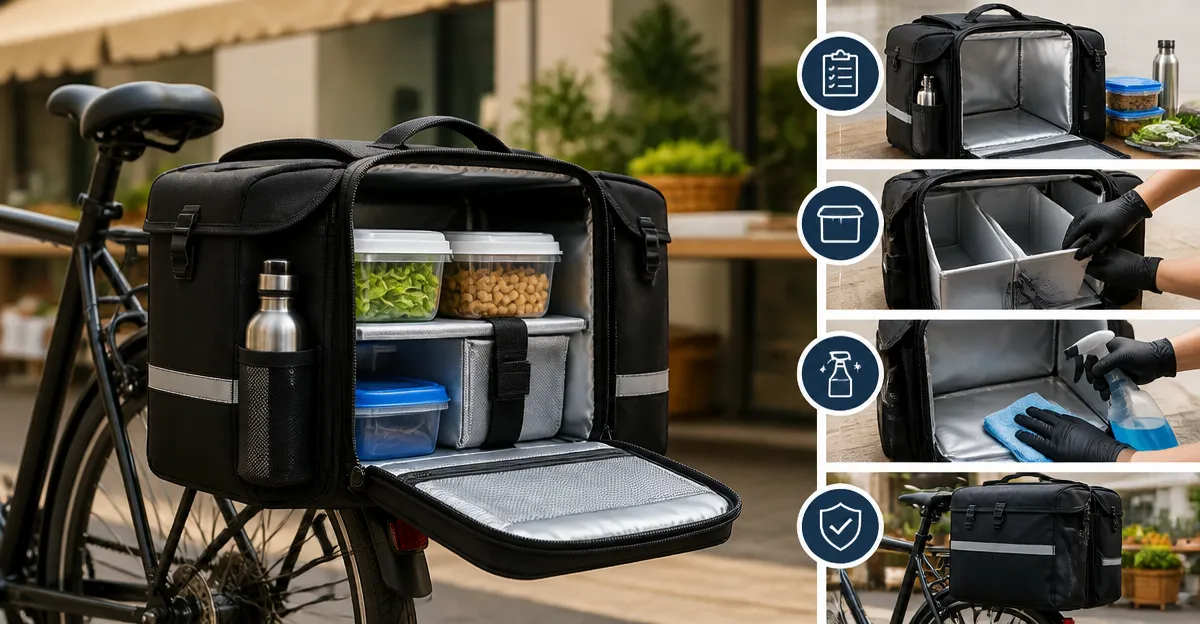
How to Create Allergen‑Safe Panniers for Food Vendors: Step‑by‑Step Design, Materials & Cleaning to Prevent Cross‑Contamination
Introduction
Food vendors who operate from bicycles face a unique set of challenges, especially when they must protect customers from allergen exposure. This guide will teach the reader how to select, modify, and maintain panniers that keep allergens isolated, reduce cross‑contamination, and comply with health‑code requirements. The reader will learn which materials provide the best barrier protection, how to install removable liners, and which cleaning procedures guarantee a hygienic environment. By following these steps, vendors can protect their reputation, avoid costly fines, and provide a safer experience for every patron.
What You’ll Need
- Water‑proof, high‑capacity pannier such as the Waterproof Double Panniers Bag (36 L, $22.99, 4.7★ rating)
- Compact, convertible rear‑rack bag like the KEMIMOTO Rear Bike Rack Bag (8 L, $29.99, 4.6★ rating) for secondary storage and cleaning
- Rigid‑support pannier such as the JXFUKAL Bike Rack Bag (13 L, $29.99, 4.7★ rating) to maintain shape during transport
- Premium waterproof option like the ORTLIEB Bag ($195.00, 4.7★ rating) for high‑value or specialty ingredients
- Food‑grade, reusable liner (e.g., BPA‑free polyethylene sheet)
- Non‑abrasive cleaning brush, mild detergent, and a microfiber drying cloth
- Label stickers or color‑coded tags for allergen identification
Step 1: Select an Appropriate Pannier
The first decision determines the overall safety envelope. Vendors who transport a large variety of ingredients should choose a pannier with ample volume, robust waterproofing, and reflective safety features. The Waterproof Double Panniers Bag offers a 36 L capacity, 600D waterproof polyester construction, and built‑in reflective strips that enhance visibility during night deliveries. Its four metal buckles and bottom Velcro provide ultra‑stable attachment, preventing unwanted movement that could compromise the allergen barrier. The price point of $22.99 combined with a 4.7‑star rating makes it a cost‑effective foundation for any mobile kitchen.
For vendors with limited space or those who need a secondary compartment for cleaning tools, the KEMIMOTO Rear Bike Rack Bag supplies an 8 L capacity and a 3‑in‑1 design that converts to a cross‑body bag. This flexibility allows the vendor to carry a clean liner or spare utensils without exposing the primary pannier to contaminants. Its PVC reflective strips and optional taillight strap add an extra layer of nighttime safety, a valuable attribute for evening street markets.
If the vendor requires a rigid structure to keep the bag upright on uneven terrain, the JXFUKAL Bike Rack Bag incorporates built‑in side and base panels that maintain shape even on bumpy rides. The 13 L volume strikes a balance between the large capacity of the double pannier and the compactness of the KEMIMOTO model. The reflective design on four sides further supports safe operation in low‑light conditions.
Finally, for premium operations that transport high‑value allergens such as nuts or gluten‑free flour, the ORTLIEB Bag provides industry‑leading waterproof performance (IP64 rating) and a roll‑closure system that seals the interior against moisture and dust. Although priced at $195.00, its durability and reputation justify the investment for vendors who cannot afford any breach in barrier integrity.
Step 2: Install a Removable Inner Liner
Even the most waterproof pannier can accumulate microscopic particles over time. A removable, food‑grade liner creates a sacrificial barrier that can be washed after each shift, ensuring that allergens do not embed in the fabric. The Waterproof Double Panniers Bag includes a removable PE plate that provides three‑dimensional shape; this plate can be fitted with a thin polyethylene liner that slides into the interior pockets. Because the PE plate is not pre‑installed, the vendor must attach it before loading any ingredients, guaranteeing a stable base for the liner.
For smaller compartments, the KEMIMOTO Rear Bike Rack Bag features an adjustable elastic rope at the top; this rope can secure the liner’s edge, preventing it from shifting during travel. The bag’s soft‑shell PVC oxford fabric is compatible with most food‑grade plastics, making it an ideal secondary barrier.
When using the JXFUKAL Bike Rack Bag, the rigid side panels create a pocket that holds the liner without the need for additional fasteners. The bag’s six‑zone organization system allows the vendor to allocate a dedicated zone for the liner, keeping it separate from other equipment such as tools or spare tubes.
Regardless of the pannier chosen, the liner should be sized to cover the main compartment and any side pockets used for allergen‑containing items. A snug fit prevents movement that could cause friction and wear on the waterproof coating.
Step 3: Apply Allergen‑Resistant Barriers
Beyond a removable liner, vendors can reinforce protection by using sealed zip‑lock bags or vacuum‑packed pouches for individual allergens. Place these containers inside the pannier’s mesh side pockets, which are designed to hold cups and small objects. The mesh pockets on the Waterproof Double Panniers Bag provide quick access while keeping the sealed containers from rattling against the bag’s interior.
For items that require ventilation, such as fresh produce, the vendor can employ breathable food‑grade bags that still prevent particulate escape. The reflective strips on all three recommended panniers do not interfere with barrier performance; they merely enhance rider safety.
When transporting liquids, the KEMIMOTO Rear Bike Rack Bag includes an adjustable elastic rope that can secure a sealed water bottle, preventing spills that could carry allergen residues onto other surfaces. This feature is particularly useful for vendors who offer gluten‑free smoothies alongside solid foods.
Finally, the rigid construction of the JXFUKAL Bike Rack Bag ensures that the interior compartments remain upright, reducing the likelihood that sealed allergen containers shift and puncture. This structural stability is essential for maintaining the integrity of barrier packaging throughout the ride.
Step 4: Seal Seams and Add Reflective Safety
Even waterproof fabrics can develop micro‑leaks at seams. Vendors should apply a seam‑tape sealant to the interior edges of the pannier after installing the liner. The waterproof polyester of the Waterproof Double Panniers Bag responds well to fabric‑grade tape, creating an extra layer of protection against moisture that could dissolve allergen particles.
The reflective strips built into each pannier serve a dual purpose: they increase visibility for the rider and act as visual cues for the vendor to confirm that the correct bag is being used for allergen‑free orders. By training staff to look for the reflective markers, the vendor reinforces a culture of safety.
If additional visibility is required, the vendor may attach supplemental reflective tape to the exterior of the ORTLIEB Bag, which already meets IP64 waterproof standards. The roll‑closure system of the Ortlieb bag is designed to stay sealed even when reflective tape is applied, ensuring no compromise to the waterproof barrier.
All reflective applications should be performed on the exterior surface to avoid contaminating the interior liner. This practice preserves the hygienic environment while maintaining compliance with local safety regulations.
Step 5: Establish a Cleaning Protocol
Cleaning is the cornerstone of allergen safety. After each service day, the vendor should remove the inner liner, empty any residual food, and rinse it with lukewarm water. Use a mild detergent that is free of fragrances and dyes to avoid introducing new allergens.
For the outer pannier, wipe the surface with a damp microfiber cloth and a diluted detergent solution. The KEMIMOTO Rear Bike Rack Bag recommends avoiding prolonged exposure to water, as its seams are not fully waterproof; therefore, a quick wipe‑down is sufficient. Allow the bag to air‑dry completely before reinstalling the liner.
The JXFUKAL Bike Rack Bag can be cleaned using the same method, but its PU‑coated polyester surface tolerates a gentle scrubbing brush if stubborn residue is present. Because the bag includes a rain cover, the vendor should also inspect the cover for debris and clean it separately.
Finally, the premium ORTLIEB Bag can be rinsed under a gentle stream of water; its IP64 rating ensures that the bag will not absorb moisture. After cleaning, the vendor should store the bag in a dry, shaded location to prevent UV degradation, which could weaken the waterproof coating over time.
Step 6: Label and Organize Compartments
Clear labeling prevents accidental cross‑contamination. Use color‑coded stickers that correspond to specific allergens (e.g., red for nuts, blue for gluten‑free). Attach the stickers to the exterior mesh pockets of the Waterproof Double Panniers Bag and to the interior side pockets of the JXFUKAL Bike Rack Bag where allergen‑specific containers are stored.
In addition to stickers, the vendor can employ removable zip‑tied tags that indicate the last cleaning date. This practice provides a visual audit trail for health inspectors and internal quality control.
Organize the pannier layout so that allergen‑free items are placed in the top‑grab pocket, while allergen‑containing items occupy the lower compartments. This arrangement reduces the risk of accidental mixing when the vendor reaches for items during a busy service period.
Regularly review the labeling system with staff to ensure consistency. A well‑maintained labeling protocol, combined with the physical barriers described earlier, creates a comprehensive defense against cross‑contamination.
Tips & Pro Tips
- Perform a visual inspection of all seams before each shift; a small tear can compromise the waterproof barrier.
- Rotate the use of panniers to extend the lifespan of each bag; alternating between the Waterproof Double Panniers Bag and the JXFUKAL Bike Rack Bag reduces wear on any single unit.
- Store the removable liner in a sealed plastic container when not in use to protect it from dust and insects.
- Consider a portable UV‑sterilizing wand for the interior of the pannier; this adds an extra layer of microbial safety without affecting allergen barriers.
- When operating in rainy climates, always deploy the rain cover that accompanies the Waterproof Double Panniers Bag and the JXFUKAL Bike Rack Bag to maintain a dry interior.
Troubleshooting
Problem: Moisture builds up inside the pannier despite waterproof claims.
Solution: Verify that the rain cover is correctly positioned and that the seam‑tape sealant is intact. Replace any damaged tape and re‑apply the liner.
Problem: Allergen residue is detected on the exterior of the bag.
Solution: Increase the frequency of exterior wipes, and consider adding a disposable outer sleeve that can be discarded after each shift.
Problem: Reflective strips have faded, reducing night visibility.
Solution: Replace the strips with new high‑visibility tape; most outdoor retailers sell strips that adhere to polyester and PVC fabrics.
Conclusion
Creating allergen‑safe panniers for food vending requires careful selection of waterproof bags, installation of removable liners, and disciplined cleaning practices. By following the six steps outlined in this guide, vendors can protect customers from cross‑contamination, comply with health regulations, and enhance their professional image. The recommended products—each chosen for specific strengths such as capacity, rigidity, or premium waterproofing—provide reliable tools that simplify the implementation of a robust safety system. Continued vigilance, regular maintenance, and clear labeling will ensure that the pannier system remains effective day after day.
Products Mentioned in This Guide
Frequently Asked Questions
What materials are best for allergen‑proof panniers?
Water‑proof, food‑grade fabrics like TPU‑coated nylon or polyester create a barrier that prevents moisture and allergen particles from penetrating.
How do removable liners help prevent cross‑contamination?
Liners can be swapped and washed after each use, isolating allergens from the pannier’s interior and simplifying sanitation.
What cleaning method ensures panniers stay allergen‑safe?
Wipe the interior with a mild detergent solution, rinse with clean water, and air‑dry completely before reinstalling the liner.
Do I need a special rack to secure allergen‑safe panniers?
A sturdy rear‑rack bag or convertible rack with secure straps keeps the pannier stable and prevents gaps where allergens could escape.
How can I stay compliant with health‑code requirements for allergens?
Label each pannier, keep cleaning logs, and use approved barrier materials and cleaning protocols to demonstrate proper allergen control.